Mediterranean Olive Groves vs UK Olive Growing: Key Differences Explained
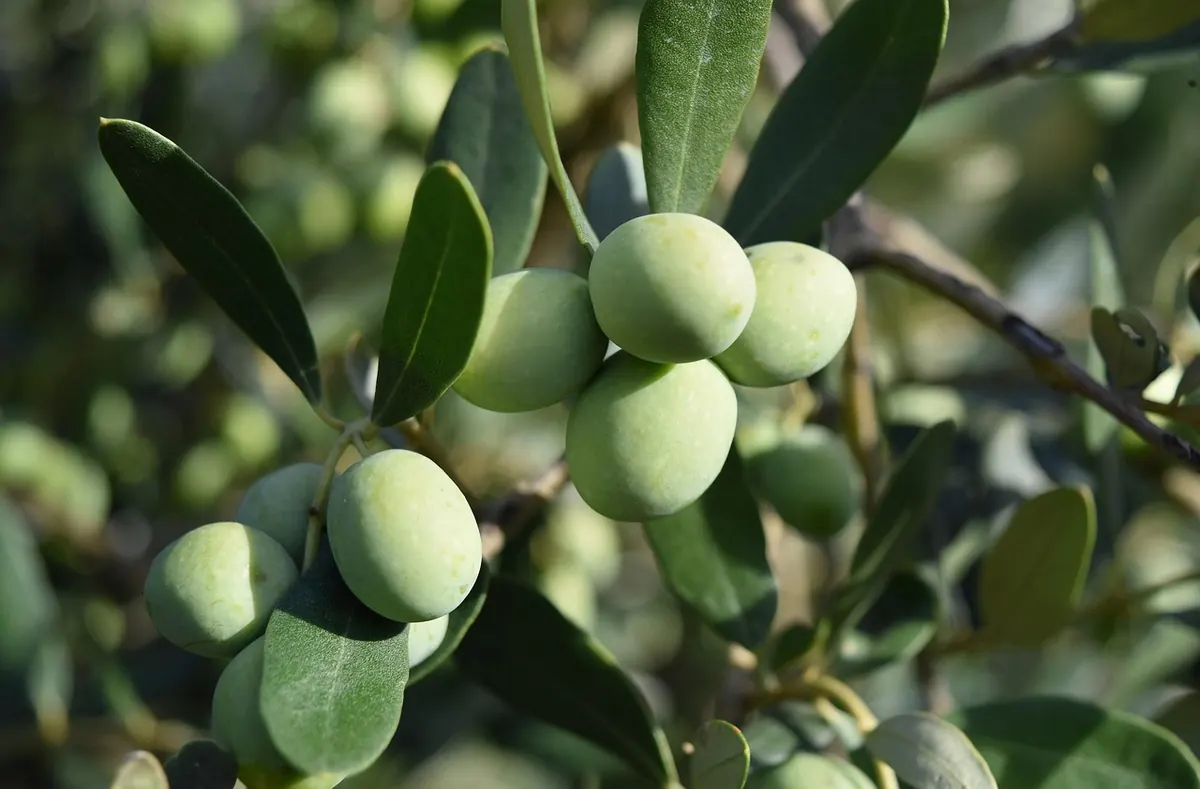
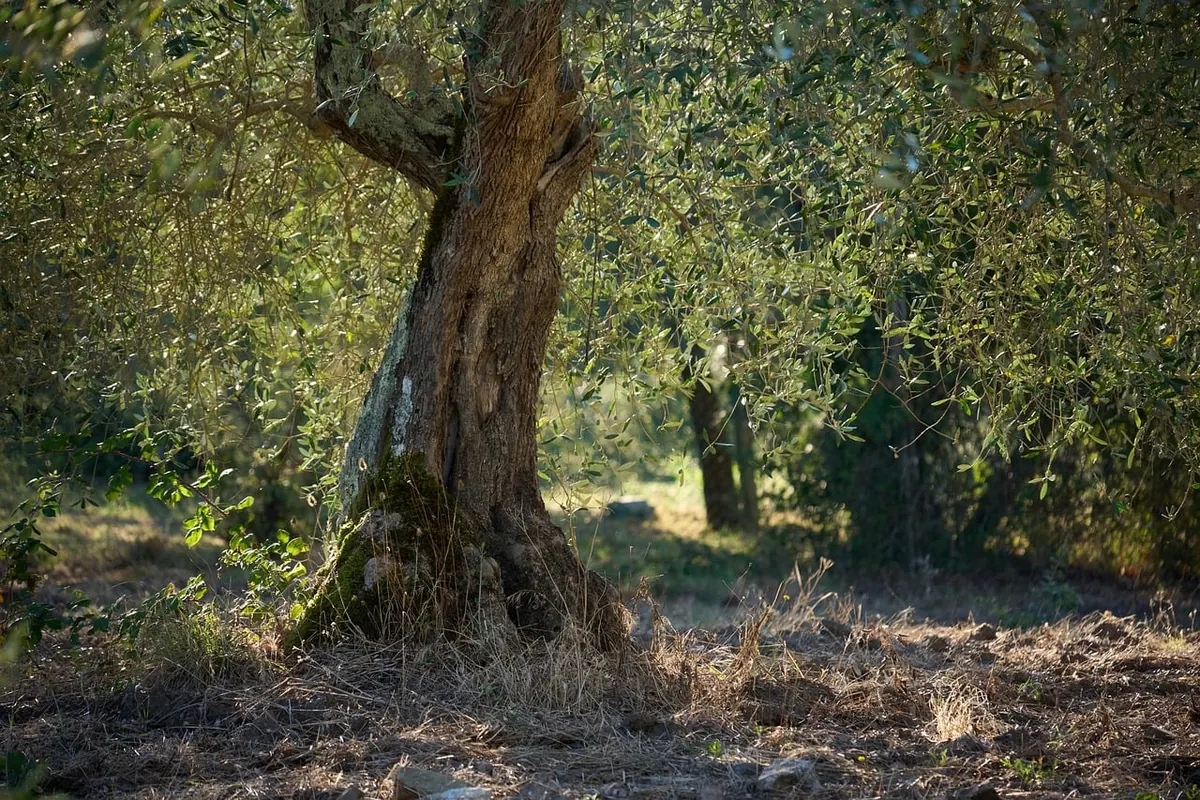
An olive grove in Puglia or Andalusia looks effortless: silver-green canopies on stony terraces, baking under a sun that has barely faltered since May. Plant the same tree in a British back garden and the picture changes entirely. The species is the same, the tree's instincts are the same, but almost every decision around it — where it goes, how it is fed, when it is pruned, whether the fruit ever darkens — is shaped by a climate doing something rather different. Understanding those differences is the difference between a healthy tree that crops and a sulking specimen in a wet corner.
Climate: Heat, Drought and Winter Chill
A Mediterranean grove runs on two things: a long, hot, dry summer and a mild, wet winter. Rain arrives between October and March, the soil refills, and then the taps close. Trees are expected to endure weeks of drought in July and August, and they evolved to do exactly that. Deep roots find moisture, small grey leaves reflect light, and growth slows to a crawl.
British summers are shorter, cooler and far cloudier. That matters at flowering time in late spring, when olives need settled warmth and, ideally, dry air for pollination, and again in autumn, when fruit needs enough accumulated heat to change colour. In a poor summer, olives will set fruit and then leave it green and hard on the branch. A cool, dull August is not a disaster, but it is why many UK growers treat the fruit as a bonus rather than the point.
Winter is the real dividing line
Mediterranean winters rarely threaten a mature tree. British winters do. Olives need a cool winter to form flower buds properly, but they do not want a hard freeze — a mature tree in free-draining soil will usually shrug off a brief dip to around minus 8°C, and then suffer badly in a long, penetrating cold spell, particularly if the roots are wet. Cold damage shows as split bark, dropped leaves and dieback on the outer branches. A south- or west-facing wall, a sheltered courtyard or a large pot moved into a cool, bright porch or unheated greenhouse over winter all make a real difference. Do not bring a dormant olive into a warm living room; the dry heat and low light do more harm than good.
Soil, Drainage and Siting
Traditional groves sit on thin, stony, often chalky ground. The soil is poor, alkaline and drains within hours of a downpour. Roots travel far and wide looking for water and nutrients, and the trees are better for it.
UK gardens are frequently the opposite: heavy clay, acidic, and prone to sitting wet from November to March. An olive in waterlogged winter soil will rot at the roots long before the frost gets it. Correcting drainage matters more than any feed you will ever give it.
- Plant on a mound. A raised platform of soil and grit 20–30cm high keeps the crown of the roots out of standing water.
- Improve the planting hole generously. Mix in coarse grit, horticultural sand or fine gravel to roughly a third of the volume.
- Consider a raised bed if your garden floods. Thirty to forty centimetres of free-draining mix is plenty for a young tree.
- Check the pH. Olives prefer slightly alkaline ground, roughly pH 6.5 to 8. If your soil is sharply acidic, a dressing of garden lime at planting helps.
- Mulch with gravel, not compost. A stone mulch suppresses weeds and keeps the base dry; rich organic mulch holds moisture against the trunk.
- Give it sun. Six hours of direct light minimum, more if you can manage it.
Variety Choice: Regional Match Versus Limited Options
In the Mediterranean, growers choose cultivars matched to their district over generations — Frantoio and Leccino in Tuscany, Picual around Jaén, Koroneiki in Crete. Each suits a particular balance of heat, rainfall and harvest timing. British growers work with a much smaller shortlist, and the sensible approach is to look for early-ripening, reliably self-fertile cultivars with a reputation for cold tolerance. Arbequina is the usual starting point for good reason. If pollination is uncertain, plant two different cultivars close together rather than hoping for the best.
Pruning, Training and Feeding
Commercial groves are pruned hard and often mechanically, keeping trees low, open and accessible so light reaches the fruiting wood and machinery can pass. The classic shape is an open-centred vase of three to five main limbs.
In the UK, growth is slower and the season shorter, so there is far less wood to remove. Prune lightly in late spring or early summer, once the risk of frost has passed — wounds heal faster in warm weather and there is less chance of rain-borne infection. Avoid winter pruning altogether. Train a young tree to a clear trunk with a handful of well-spaced branches, then thin overcrowded growth each year. Feed sparingly: too much nitrogen produces lush leaves and very little fruit. A high-potash feed from midsummer onwards suits container-grown trees well.
Pests and Diseases: Different Battles
Mediterranean growers worry most about the olive fly, whose larvae tunnel through the fruit, along with olive moth, peacock spot and olive knot. In Britain the fly is far less of a concern, but the wet weather brings its own problems: peacock spot and other fungal leaf diseases spread readily in damp, overcrowded conditions, and root rots follow waterlogged soil. Scale insects and mealybug can build up on plants kept under glass. Clear fallen leaves, space plants for airflow, ventilate greenhouses, and avoid planting where tomatoes or potatoes have grown recently, as those crops can leave soil-borne wilt behind.
Harvest and What You Actually Get
Mediterranean harvest runs from late autumn into winter. Nets go down, fruit is stripped or shaken from the trees, and oil is extracted within a day or two of picking — the fresher the fruit, the better the oil. Fruit picked at colour change gives a peppery, pungent oil; fruit left to ripen fully is milder and better suited to brining.
British harvests are smaller and later. Expect to pick by hand, in small quantities, often in November. That is enough for a few jars of home-brined olives, which is a genuine pleasure. Pressing your own oil is rarely practical unless you have several mature trees and access to a mill willing to take a small batch. Olives also crop heavily one year and lightly the next, so a lean season is normal, not a sign that you have done something wrong.
A Practical Approach for UK Growers
Treat a British olive as a Mediterranean tree on foreign soil and it will struggle. Treat it as a plant that needs sun, sharp drainage and a sheltered winter, and it will reward you.
- Choose a warm, sunny, sheltered spot and plant on a mound or in a raised bed.
- Get the drainage right before you buy the tree, not after.
- Pick a cold-tolerant, self-fertile cultivar, or plant two that flower together.
- Prune lightly in early summer only.
- Feed modestly, with potash rather than nitrogen.
- Protect the roots and trunk from winter wet, and the canopy from hard frost and cold winds.
Do that, and you will not replicate a Puglian grove — but you will have a handsome, long-lived tree that fruits often enough to feel like a small triumph every autumn.
Photo: MarcoCentenaro80 / Pixabay